
 Español
 العربية
 Pусский
 Deutsch
 Portugues
 Türk dili

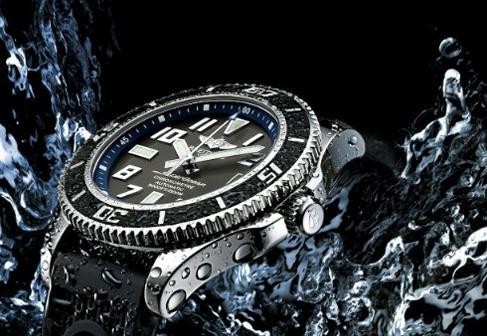
Recently we have received many questions from our website about “ How water resistance is your watch?” . For good quality watches, they are waterproof to varying degrees.And, rather importantly, the water resistant rating that’s printed or engraved in meters or feet on the dial or case back of a watch, isn’t literal. So, with that in mind, we thought we’d share with you this simple rule, to ensure that your watch doesn’t turn into a receptacle for storing water:
30 meters (3ATM):

This is the initial level of protection/water resistance. If your watches says 30 meters or 3ATM (ATM meaning atmospheres),it means that your watch can withstand splashes of water from washing your hands or getting caught in the rain … and that’s about it..NO SHOWERS and NO SWIMMING!
50 meters (5ATM):

Watches water resistant to 50 meters (5ATM) are much the same as 30 meters, that is to say, they are not very resistant to water at all. Same rules apply as 3ATM really — splashes of water fine, swimming not fine.
100 meters (10ATM):

If your watch is rated to 100meters or 10ATM of water resistance, it means that you can go swimming and snorkeling.10 ATM means that the watch can withstand 10 times the pressure at sea level without allowing water into the watch. But water pressure is not linear, and can be affected by activity as well as depth. You will note that a 10 ATM watch is suitable for most snorkeling activity, but is probably not good for SCUBA activity.
200 Meters (20ATM):
Once a watch gets to 200 meters or 20ATM of water resistance, then chances are, it’s a fit-for-purpose dive watch. That means that activities like swimming, snorkeling or even skin diving are completely fine. However, a watch that’s resistant to 20ATM is not good forsurvive extended stays at that depth!
300 Meters (30ATM)
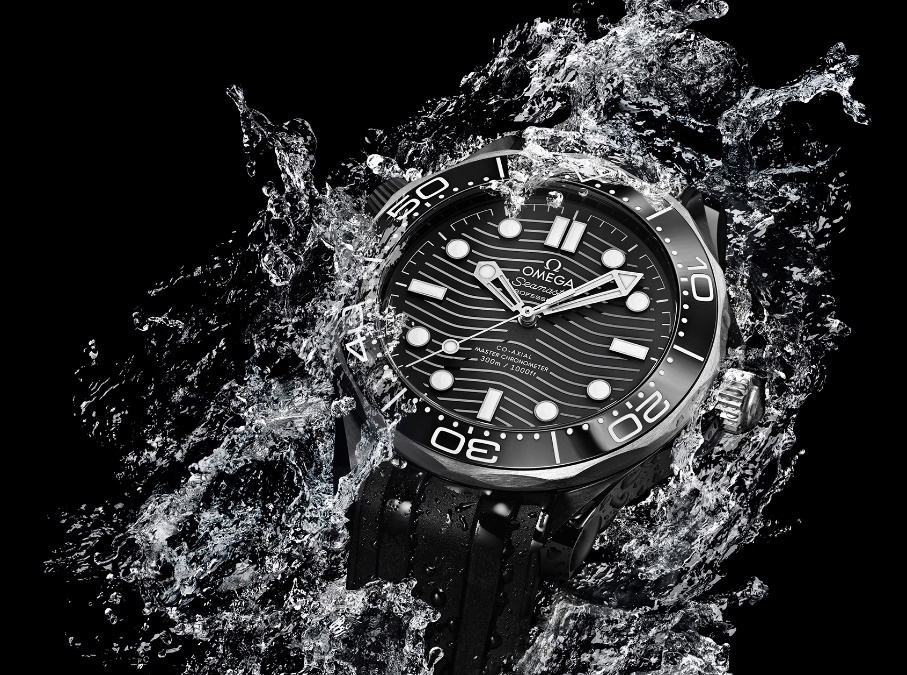
If your watch is rated to 300 meters or beyond, then chances are it’s going to be completely fine in almost any underwater context.It’s not uncommon at all to see timepieces that are rated to 30 ATM or more of water resistance accompanied by a helium escape valve. Developed by DOXA and Rolex in the ’60s, this one-way valve ensures that when saturation or mixed gas divers are resurfacing from a deep dive, the helium caught in the case can escape during decompression.


